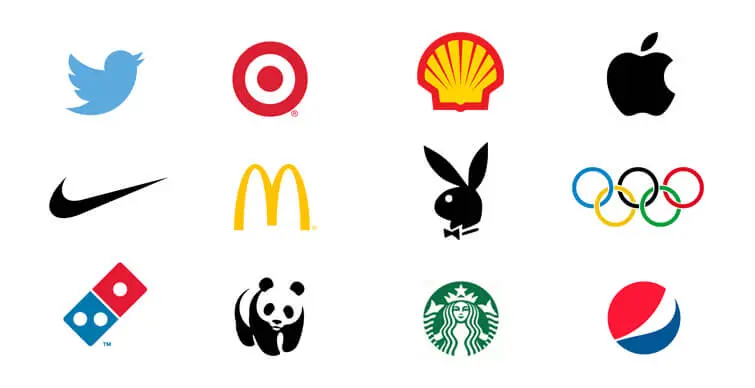
The Enduring Legacy: Unpacking the Best Logo Designs of All Time
In a world saturated with visual information, a logo stands as the silent ambassador of a brand, a powerful symbol that can communicate identity, values, and an entire story in a single glance. More than just a pretty picture, the best logo designs transcend mere aesthetics, becoming ingrained in our collective consciousness, instantly recognizable across cultures and generations. From the iconic bitten apple to the dynamic swoosh, these symbols are not merely marks; they are cultural touchstones, testaments to brilliant design, and potent drivers of global commerce. But what truly elevates a logo from good to legendary? What principles underpin a design that remains relevant and impactful for decades, even centuries?
This comprehensive article delves into the fascinating world of iconic logo design, exploring the fundamental characteristics that define timeless visual identities. We will dissect the elements that contribute to a logo’s enduring success, from the elegance of simplicity to the strategic power of versatility. Through a detailed analysis of some of the most recognizable and effective logos ever created, we will uncover the stories behind their inception, their evolution, and their profound impact on branding and consumer perception. Whether you’re a budding designer, a business owner seeking inspiration, or simply curious about the power of visual communication, prepare to embark on a journey through the annals of design history to understand why certain logos don’t just stand out—they stand the test of time.

What Makes a Logo Truly Timeless? The Pillars of Iconic Design
The concept of the “best” logo design is inherently subjective, yet certain objective criteria consistently emerge when evaluating the longevity and impact of a visual mark. These principles serve as the bedrock upon which truly timeless logos are built, allowing them to resonate with audiences across diverse contexts and evolving trends. Understanding these pillars is crucial for anyone aiming to create a logo that not only captures attention today but also maintains its relevance for years to come.

Simplicity: The Power of Less
Perhaps the most universally acknowledged principle of great logo design is simplicity. A simple logo is easy to recognize, remember, and describe. It avoids unnecessary clutter, focusing instead on conveying the core essence of the brand with minimal elements. Think of the Nike swoosh or the Apple silhouette—they are stripped down to their most fundamental forms, yet instantly evoke powerful brand associations. This minimalist approach allows a logo to be versatile and adaptable, performing effectively across various mediums, from a tiny app icon to a large billboard. A complex design, conversely, can become muddled and lose its impact when scaled or reproduced in different formats.

Memorability: Sticking in the Mind
A great logo is unforgettable. Its simplicity often contributes directly to its memorability, but there’s also an element of distinctiveness at play. A memorable logo stands out from the competition, creating a unique visual signature for the brand. It’s the kind of mark you can quickly sketch from memory, even if you haven’t seen it in a while. Consider the Golden Arches of McDonald’s; their unique form is so deeply ingrained in popular culture that they are recognizable even without the brand name. This memorability is vital for brand recall and helps foster a strong connection with consumers over time.

Versatility: Adapting Across Platforms
In today’s multi-channel world, a logo must perform flawlessly everywhere. This means it needs to look good on a business card, a smartphone screen, a product package, a vehicle, and even embroidered on clothing. A versatile logo maintains its integrity and impact whether it’s rendered in full color, black and white, or as a single-color outline. It should be scalable without losing detail or becoming distorted. Logos like Google’s, with its adaptable letterforms and color palette, demonstrate excellent versatility, allowing for playful variations while retaining core recognition. This adaptability ensures the brand’s visual identity remains consistent and effective across all touchpoints.

Appropriateness: Reflecting Brand Identity
While a logo doesn’t need to explicitly depict what a company does, it must be appropriate for its industry and target audience. A law firm’s logo, for instance, would typically convey professionalism and trust, while a children’s toy brand might opt for something more playful and colorful. The Mercedes-Benz star exudes luxury and precision, perfectly aligning with its high-end automotive products. An appropriate logo resonates with the brand’s values, mission, and the emotions it wishes to evoke, forming a cohesive visual narrative that strengthens the brand’s overall message. When a logo feels “right” for the brand, it enhances credibility and fosters a deeper connection with consumers.
Uniqueness: Standing Out from the Crowd
In a crowded marketplace, differentiation is key. A truly exceptional logo possesses a distinctiveness that sets it apart from competitors. It avoids generic imagery or clichés that could lead to confusion or make the brand seem unoriginal. The FedEx logo, with its clever hidden arrow, is a prime example of uniqueness that also conveys a powerful message about speed and precision. While drawing inspiration is natural, the goal is always to create something fresh and original that firmly establishes the brand’s individual identity. A unique logo is a powerful asset in carving out a memorable niche in the consumer’s mind.
Timelessness: Defying Trends
Trends come and go, but the best logos endure. A timeless logo avoids fleeting fads in design, opting instead for classic aesthetics that remain relevant over decades. This doesn’t mean a logo can never evolve; many iconic marks have undergone subtle refinements over time. However, their core essence and foundational design principles remain constant. The Coca-Cola script, largely unchanged for over a century, is a testament to timeless design. By focusing on enduring principles rather than momentary popularity, designers can craft logos that continue to communicate effectively long into the future, building a consistent brand legacy.
A Journey Through Iconic Marks: Analyzing the World’s Most Recognizable Logos
Now that we’ve explored the fundamental principles of great logo design, let’s delve into specific examples that exemplify these characteristics. These logos aren’t just famous; they are case studies in how strategic design can build global empires and embed brands into the fabric of culture. Each one offers valuable insights into the power of visual communication and the art of crafting a truly unforgettable mark.
Apple: The Bite-Sized Revolution
The Apple logo is arguably one of the most recognized symbols in the world. Its current minimalist, monochromatic silhouette of an apple with a bite taken out is a masterclass in simplicity and memorability. Designed by Rob Janoff in 1977, the original rainbow-striped version was vibrant and unique, representing the Apple II’s color display capabilities. The “bite” was added not only to prevent it from being confused with a cherry but also to play on the word “byte” (a unit of digital information). Over the years, the logo evolved, shedding its colors for a sleek, metallic, then glass, and finally a flat, monochromatic look. This evolution demonstrates a strategic refinement towards ultimate simplicity and versatility, allowing it to seamlessly integrate into every product and marketing campaign. The Apple logo communicates innovation, user-friendliness, and premium quality without a single word.
Nike: The Swoosh of Success
Conceived by graphic design student Carolyn Davidson in 1971 for a mere $35, the Nike “Swoosh” is a dynamic and instantly recognizable symbol of speed, movement, and athleticism. Its fluid, abstract shape is said to represent the wing of Nike, the Greek goddess of victory. The genius of the Swoosh lies in its extreme simplicity and inherent motion. It’s so minimalist that it doesn’t need text to accompany it; the symbol alone carries immense brand weight. This makes it incredibly versatile, easily scalable, and effective across all applications, from footwear to apparel to digital media. The Swoosh is not just a logo; it’s an emblem of aspiration and achievement, a powerful visual shorthand for an entire lifestyle brand.
Coca-Cola: A Century of Script
The Coca-Cola logo is a rare example of a design that has remained virtually unchanged since its inception in 1886. Created by Frank M. Robinson, the company’s bookkeeper, using a distinctive flowing script known as Spencerian script, it embodies timelessness and heritage. While other brands constantly refresh their visual identities, Coca-Cola’s consistent use of this elegant, handwritten logotype evokes a sense of tradition, authenticity, and nostalgia. Its unique flourishes and rhythm make it instantly recognizable and difficult to imitate, cementing its status as a global icon. The Coca-Cola logo proves that a classic, well-executed design can defy the passage of time and fleeting trends.
McDonald’s: The Golden Arches
The McDonald’s “Golden Arches
Leave a Reply